Supreme Court: AI-Generated Fake Case Law Cannot Be Used in Judicial Decisions; Judgments Based on Hallucinated AI Material Liable to Be Set Aside
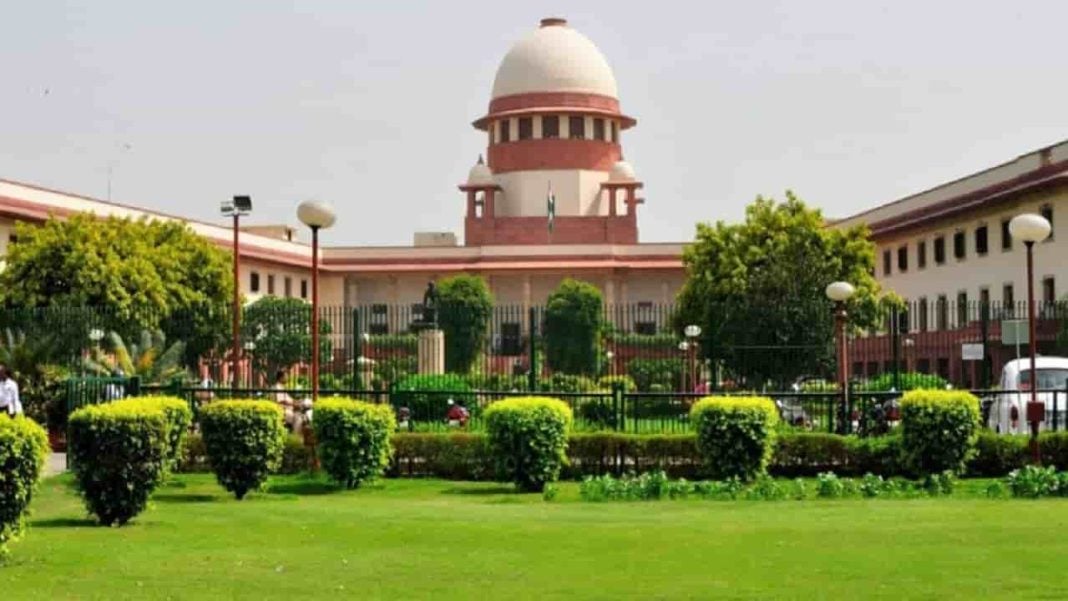
Case Name: Pooja Ramesh Singh v. Jammu and Kashmir Bank Ltd. and Another
Date of Judgment: 02 July 2026
Citation: 2026 INSC 668 | Civil Appeal No. 11950 of 2025
Bench: Hon’ble Mr. Justice Pamidighantam Sri Narasimha and Hon’ble Mr. Justice Alok Aradhe
Held: The Supreme Court held that judicial decisions based on fake, non-existent or AI-generated hallucinated precedents are legally unsustainable. The Court declared zero tolerance towards the use of fabricated AI-generated case law by advocates and judges and directed the Bar Council of India to frame appropriate guidelines and disciplinary measures.
Summary: The appeal arose from insolvency proceedings initiated by Jammu and Kashmir Bank under Section 7 of the Insolvency and Bankruptcy Code, 2016, against Essel Infraprojects Ltd. The appellant challenged the orders of the National Company Law Tribunal (NCLT) and the National Company Law Appellate Tribunal (NCLAT), contending that the NCLT had relied upon several non-existent and AI-generated judicial precedents while admitting the insolvency application.
The Supreme Court independently verified the authorities cited by the NCLT and found that several judgments were either wrongly cited, non-existent or contained fabricated paragraphs attributed to genuine decisions. The Court observed that although Artificial Intelligence can assist legal research, adjudication must always remain under human control and AI-generated hallucinations have no place in judicial decision-making.
Emphasising that advocates must verify every authority before citing it and judges must independently ensure the authenticity of precedents relied upon, the Court held that any judgment tainted by fake AI-generated material cannot be sustained in law. It further directed the Bar Council of India to formulate guidelines and disciplinary measures governing the use of AI-generated legal material before courts.
Decision: The Supreme Court allowed the appeal, set aside the judgments of the NCLT and the NCLAT, restored the insolvency application for fresh adjudication before the NCLT, clarified that it had expressed no opinion on the merits of the dispute, and directed expeditious disposal of the matter while maintaining status quo in the meantime.