Supreme Court Cancels Anticipatory Bail in SC/ST Atrocities Case, Reaffirms Bar Under Section 18
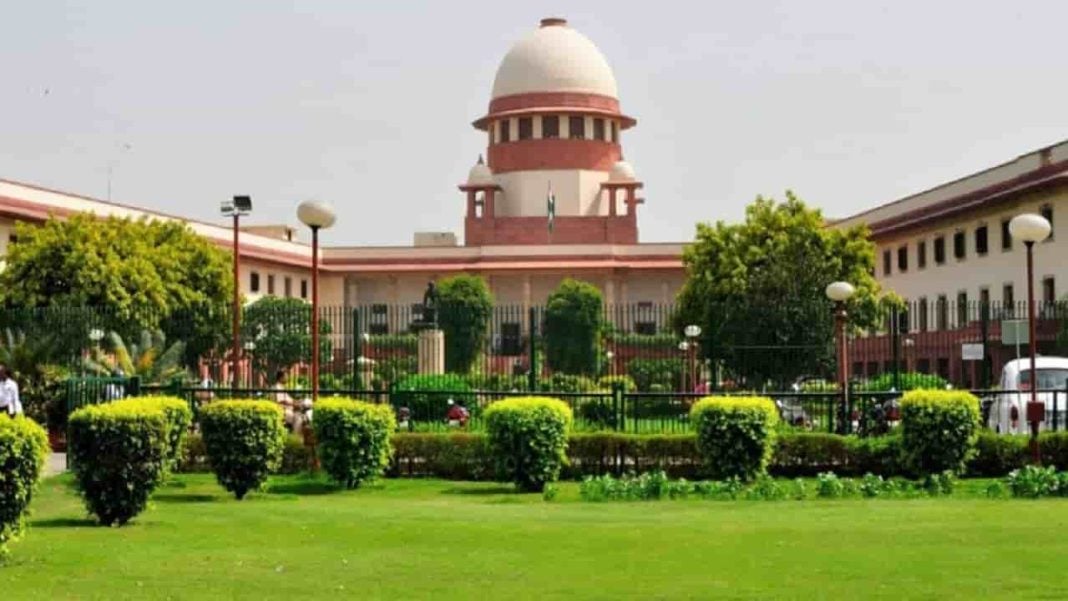
Case Name: Kiran vs. Rajkumar Jivraj Jain & Anr.
Date of Order: 01.09.2025
Citation: SLP (Crl.) No. 8169 of 2025; 2025 INSC 1067
Bench: Chief Justice B. R. Gavai, Justice K. Vinod Chandran, Justice N. V. Anjaria (Full Bench)
Held: The Supreme Court set aside the Bombay High Court’s order granting anticipatory bail to the accused in a caste atrocity case, holding that the High Court erred in overlooking the statutory bar under Section 18 of the SC/ST Act. The Court emphasized that where specific allegations of caste-based abuse, humiliation, and assault exist, anticipatory bail is expressly barred. The Court further clarified that prima facie allegations in the FIR were sufficient to invoke Section 18, and the High Court had impermissibly conducted a “mini trial” while granting bail.
Summary: The appellant, a member of the Scheduled Caste (Matang community), lodged FIR No. 255/2024 alleging that on 25.11.2024, he and his family were attacked, assaulted with iron rods, abused with casteist slurs (“Mangtyano”), and threatened with arson by the accused and others, allegedly over not voting in favour of a particular candidate in the assembly elections. His mother and aunt were also molested and threatened.
The Additional Sessions Judge rejected the accused’s plea for anticipatory bail, holding that the allegations disclosed offences under Sections 3(1)(o), 3(1)(r), 3(1)(s), 3(1)(w)(i) of the SC/ST Act. However, the Bombay High Court granted anticipatory bail, citing inconsistencies in the prosecution case and suggesting political overtones.
On appeal, the Supreme Court referred to earlier rulings in State of M.P. v. Ram Krishna Balothia (1995), Vilas Pandurang Pawar v. State of Maharashtra (2012), Prathvi Raj Chauhan v. Union of India (2020), and Shajan Skaria v. State of Kerala (2024), reiterating that Section 18 creates an absolute bar to anticipatory bail when prima facie allegations under the SC/ST Act exist. The Court held that the caste-based abuses, threats, and assault in public view clearly attracted the SC/ST Act, and the High Court’s reasoning was contrary to law.
Decision: The Supreme Court allowed the appeal, set aside the High Court’s order dated 29.04.2025, and cancelled the anticipatory bail granted to the accused. It clarified that the findings were only prima facie for deciding the bail issue and directed that the trial should proceed independently on merits.