Prison Sentence Cannot Become Institutional Neglect: Supreme Court Orders Nationwide Compassionate Release Policy for Elderly and Terminally Ill Prisoners
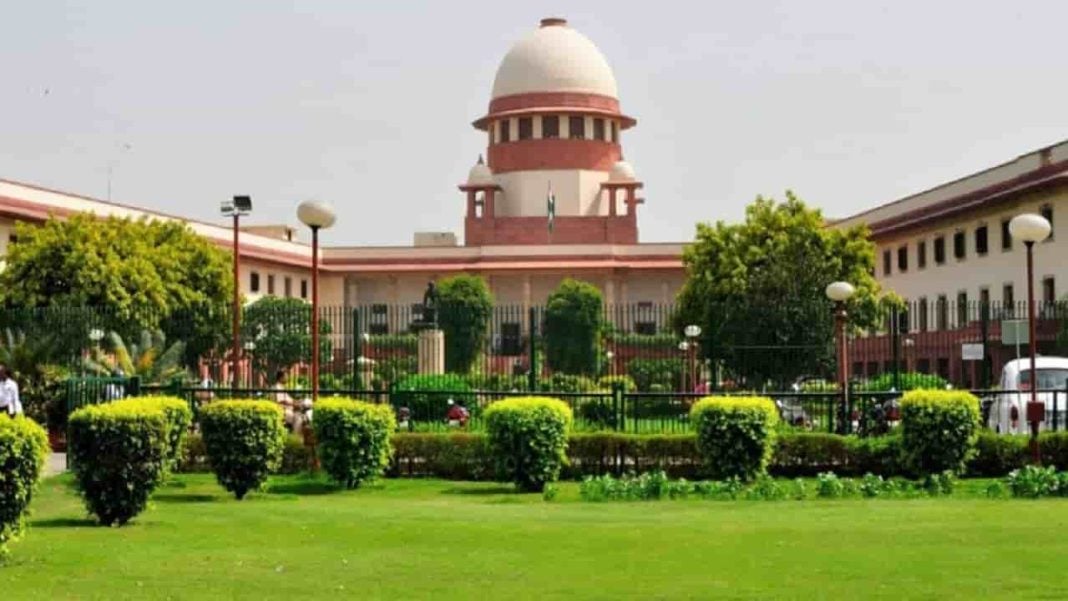
Case Name: National Legal Services Authority v. Union of India & Others
Date of Judgment: 16 July 2026
Citation: 2026 INSC 713
Bench: Justice Vikram Nath and Justice Sandeep Mehta
Held: The Supreme Court held that conviction does not extinguish a prisoner’s fundamental rights to dignity, health and humane treatment under Article 21 of the Constitution. Continued incarceration of elderly or terminally ill prisoners, without adequate medical care or a structured mechanism for compassionate release, may reduce lawful punishment to cruel, disproportionate and purposeless suffering. The Court directed every State and Union Territory to formulate a comprehensive policy for the early or premature release of prisoners who are of advanced age or terminally ill.
Summary: NALSA instituted the writ petition under Article 32, highlighting the continued incarceration of convicts aged above 70 years and prisoners suffering from terminal illnesses. It contended that inadequate medical and caregiving facilities in prisons subjected such inmates to prolonged suffering and violated their rights under Articles 14 and 21.
The petition followed NALSA’s nationwide Special Campaign for Old Prisoners and Terminally Ill Prisoners. The campaign identified 5,393 elderly or terminally ill prisoners, including 1,886 undertrials and 3,507 convicts. Among them were 11 terminally ill convicts and 84 convicts above 70 years whose convictions had been affirmed by the respective High Courts but who had not approached the Supreme Court.
The Supreme Court observed that the issue was not confined to individual cases but exposed a systemic failure to implement existing policies concerning medical care, remission and compassionate release. Despite a 2010 Central Government advisory requiring States to identify terminally ill prisoners, provide specialised care and explore clemency or premature release, implementation remained uneven and largely dependent on isolated interventions.
The Court emphasised that imprisonment does not create a constitutional vacuum. Punishment must remain proportionate, humane and reformative and cannot be permitted to become retributive suffering disconnected from any legitimate penological purpose. The continued confinement of prisoners whose age or terminal illness makes incarceration physically devastating raises serious questions regarding dignity and the moral legitimacy of punishment.
While acknowledging that prisons fall within the legislative and administrative domain of the States, the Court held that judicial restraint cannot amount to constitutional abdication. Where executive inaction produces systemic violations of fundamental rights, constitutional courts are duty-bound to ensure meaningful implementation of Article 21.
Decision: Exercising its powers under Articles 32 and 142, the Supreme Court directed all States and Union Territories to formulate and notify, within three months, a comprehensive policy for the early, premature or compassionate release of elderly and terminally ill prisoners. The policy must prescribe uniform eligibility criteria, clearly define “terminal illness” and establish independent Medical Boards for objective assessment and periodic review.
The Court further directed that applications must be decided through a transparent and time-bound process; cases must be periodically reviewed by Under Trial Review Committees for bail, parole, remission or release; and released prisoners must receive continuity of medical care and social support. The entire process must be integrated with the National e-Prisons Portal through digital registration, tracking, automated alerts and recorded reasons, subject to safeguards protecting prisoners’ medical and personal information.