Supreme Court Directs Centre to Constitute Tribunal When Inter-State River Dispute Fails in Negotiation
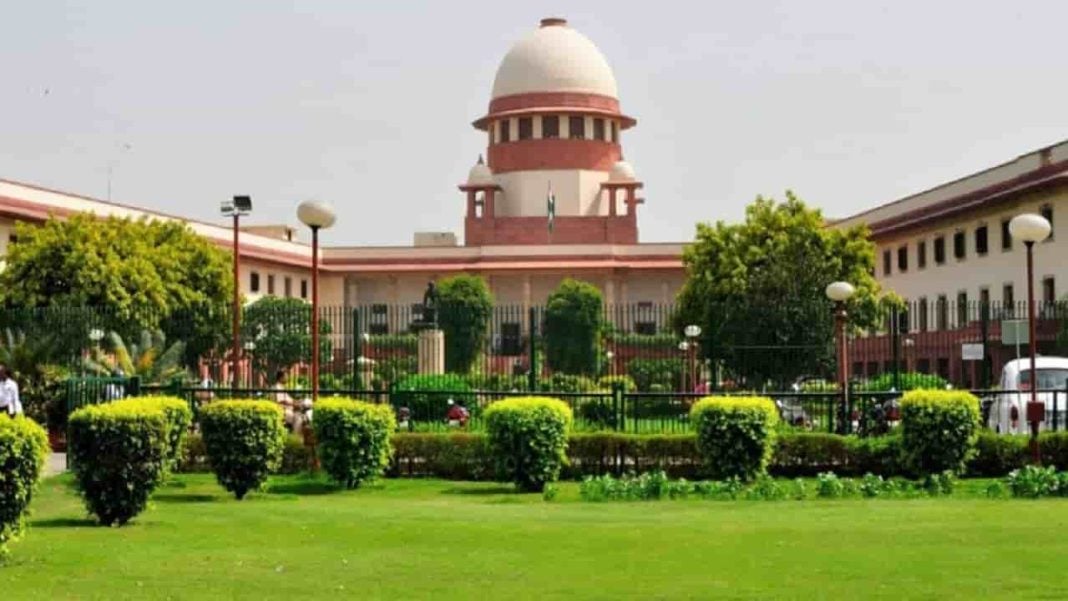
Case Name: The State of Tamil Nadu v. The State of Karnataka & Anr.
Citation: 2026 INSC 113; O.S. No. 1 of 2018
Date of Judgment/Order: 02 February 2026
Bench: Hon’ble Mr. Justice Vikram Nath and Hon’ble Mr. Justice N. V. Anjaria
Held: The Supreme Court held that once the statutorily mandated negotiation process under the Inter-State River Water Disputes Act, 1956 fails and the Central Government forms the opinion that the dispute cannot be settled by negotiation, it becomes obligatory under Section 4 of the Act to constitute an Inter-State River Water Disputes Tribunal; the use of the word “shall” in Section 4 makes the constitution of the Tribunal mandatory, and the Court can direct the Union of India to issue a notification constituting such Tribunal within a specified time frame.
Summary: The State of Tamil Nadu instituted an original suit under Article 131 of the Constitution alleging that Karnataka had undertaken construction of check dams and diversion structures across the inter-State River Pennaiyar and its tributaries without obtaining prior consent as required under the 1892 Agreement between the erstwhile States of Madras and Mysore. Tamil Nadu contended that such unilateral actions impeded natural river flows and adversely affected farmers in several districts. Karnataka disputed the continued applicability of the 1892 Agreement and asserted that the works were lawful. During the pendency of the suit, the plaintiff-State invoked Section 3 of the Inter-State River Water Disputes Act, 1956 seeking constitution of a Tribunal. Negotiations were conducted under the aegis of the Central Government, including ministerial-level discussions; however, affidavits placed before the Court revealed that no consensus could be achieved and that Tamil Nadu insisted on adjudication by a Tribunal. Relying upon its earlier decision in T.N. Cauvery Neerppasana Vilaiporulgal Vivasayigal Nala Urimai Padhugappa Sangam v. Union of India (1990) 3 SCC 440, the Court reiterated that when negotiations fail, the Central Government is mandatorily required to constitute a Tribunal. In view of the admitted breakdown of negotiations and prolonged pendency of the dispute since 2018, the Court deemed it appropriate to issue a direction to the Union of India to constitute the Tribunal.
Decision: The Supreme Court directed the Central Government to issue an appropriate notification in the Official Gazette and constitute a Water Disputes Tribunal within one month for adjudication of the Pennaiyar inter-State river dispute, clarified that all questions including reliefs remain open for consideration by the Tribunal, and disposed of the original suit accordingly.