Supreme Court Directs Government to Frame No-Fault Compensation Policy for COVID-19 Vaccine Adverse Events
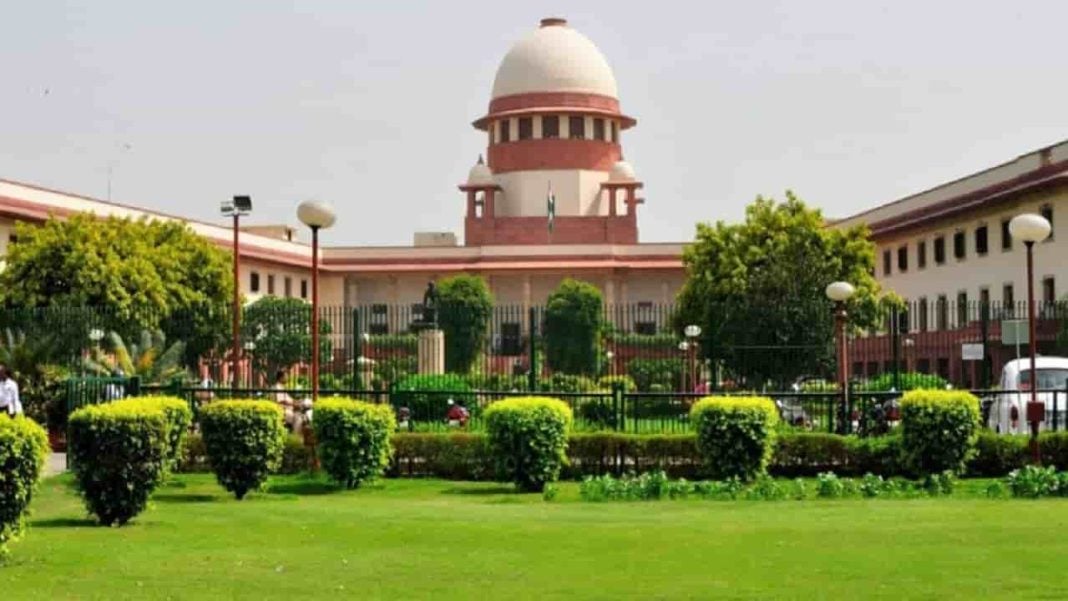
Case Name: Rachana Gangu & Anr. v. Union of India & Ors.
Citation: 2026 INSC 218; Writ Petition (Civil) No. 1220 of 2021 with connected matters
Date of Judgment/Order: 10 March 2026
Bench: Hon’ble Mr. Justice Vikram Nath and Hon’ble Mr. Justice Sandeep Mehta
Held: The Supreme Court held that although the approval and administration of COVID-19 vaccines were carried out in accordance with the statutory regulatory framework and the existing surveillance system for adverse events following immunization (AEFI) is adequate, the absence of a uniform institutional mechanism to provide compensation for serious adverse events following vaccination raises constitutional concerns under Article 21. The Court held that the right to health and dignity requires the State to provide an accessible mechanism of redress where grave harm is alleged to have occurred in the course of a State-led vaccination programme, and therefore directed the Union Government to formulate an appropriate no-fault compensation framework for serious adverse events following COVID-19 vaccination.
Summary: The proceedings arose from petitions filed by families alleging deaths and serious medical conditions following COVID-19 vaccination. The lead petition under Article 32 was filed by parents whose daughters allegedly died after receiving the vaccine, seeking constitution of an independent expert medical board, recognition of vaccine-related deaths, and compensation to affected families. Similar petitions were pending before the Kerala High Court, where an interim order directed the Union Government to formulate a compensation policy for adverse events following immunization. The Union of India challenged the High Court’s interim directions before the Supreme Court. The petitioners argued that the government failed to ensure transparency, informed consent, and adequate disclosure of risks associated with vaccines, and that families affected by vaccine-related injuries had no uniform compensation mechanism. The Union Government contended that the vaccines were approved through a rigorous statutory process under the Drugs and Cosmetics Act and expert bodies such as CDSCO, NTAGI and NEGVAC, and that an established AEFI surveillance system already existed to monitor and investigate adverse events. The Court acknowledged that scientific studies by ICMR and other institutions indicated no direct causal link between vaccines and sudden deaths and held that questions of medical causality fall within the domain of expert bodies rather than judicial determination. However, the Court emphasised that the right to life under Article 21 includes the right to health and that where harm is alleged in the course of a State-led public health programme, affected individuals should not be left without an accessible institutional remedy. Drawing from comparative international practices, including vaccine injury compensation schemes in countries such as Australia, the United Kingdom, and Japan, the Court observed that no-fault compensation programmes provide fair and expeditious relief without requiring proof of negligence.
Decision: The Supreme Court disposed of the writ petition and connected matters by directing the Union of India, through the Ministry of Health and Family Welfare, to formulate and publish an appropriate no-fault compensation policy for serious adverse events following COVID-19 vaccination, while clarifying that the existing AEFI monitoring mechanisms shall continue, that no separate court-appointed expert body is necessary, and that the judgment does not prevent individuals from pursuing other legal remedies available under law.