Adoption and Relation Back – Validity of Widow’s Sale and Invalidity of Gift Deed under Hindu Succession Act
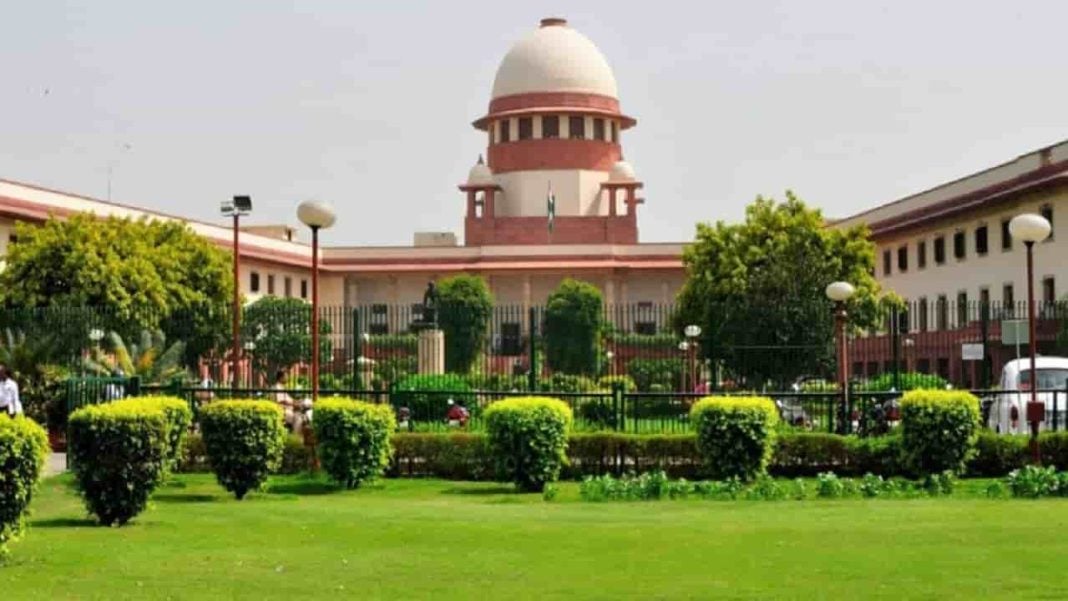
Case Name: Sri Mahesh v. Sangram & Others
Citation: 2025 INSC 14
Date of Judgment: 2 January 2025
Bench: Justice C.T. Ravikumar and Justice Prashant Kumar Mishra (DB)
Held: The Supreme Court affirmed the validity of a registered sale deed executed by a widow in favour of third parties but restored the trial court’s declaration that a subsequent gift deed executed by her was null and void. It applied the “Doctrine of Relation Back” to recognize the adopted son’s rights from the date of his adoptive father’s death, while clarifying that all lawful alienations made by the adoptive mother prior to or during her ownership would remain binding.
Summary: The dispute concerned the estate of Bhavakanna Shahapurkar, who died in 1982 leaving behind two widows. A compromise decree in 1982 (OS No. 266/1982) allotted 9/32 shares in properties to his first wife, Parvatibai. In 1994, Parvatibai adopted the appellant, Mahesh, through a registered deed. Later, she executed a sale deed dated 13 December 2007 in favour of defendants 2 and 3 (Sangram and another) for “A” schedule property, and a gift deed dated 27 August 2008 in favour of defendants 4 and 5 for “B” and “C” schedule properties.
Mahesh filed OS No. 122 of 2009 seeking partition, cancellation of the sale and gift deeds, and recognition of his half share as adopted son. The trial court partly decreed the suit, upholding the sale deed but declaring the gift deed void, granting Mahesh rights over “B” and “C” schedule properties. On appeal, the Karnataka High Court dismissed Mahesh’s claim and upheld both alienations, reasoning that Parvatibai, as absolute owner under Section 14(1) of the Hindu Succession Act, was competent to transfer.
The Supreme Court examined the law of adoption under Section 12 of the Hindu Adoptions and Maintenance Act, 1956 and the doctrine of relation back, under which an adopted child of a widow is deemed to have rights from the date of the adoptive father’s death, though lawful alienations by the widow remain binding. Applying this, the Court upheld the sale deed, noting that Parvatibai had absolute ownership and validly sold the “A” schedule property. However, it found the gift deed invalid, holding that there was no evidence of acceptance or delivery of possession, which are prerequisites under Section 122 of the Transfer of Property Act. Evidence from cross-examination showed the donees never took possession, and the deed’s recitals contained false assertions about familial relationships.
Decision: The Supreme Court dismissed Mahesh’s challenge to the 2007 sale deed but allowed his appeal against the 2008 gift deed. It quashed the Karnataka High Court’s judgment in RFA No. 100168/2018, restored the trial court’s decree declaring the gift deed null and void, and recognized Mahesh as entitled to “B” and “C” schedule properties as sole heir of deceased defendant No. 1. Each party was directed to bear their own costs.