Supreme Court Holds Denial of Promotion Arbitrary; Grants Relief on Ground of Parity and Permissible Relaxation of Qualification
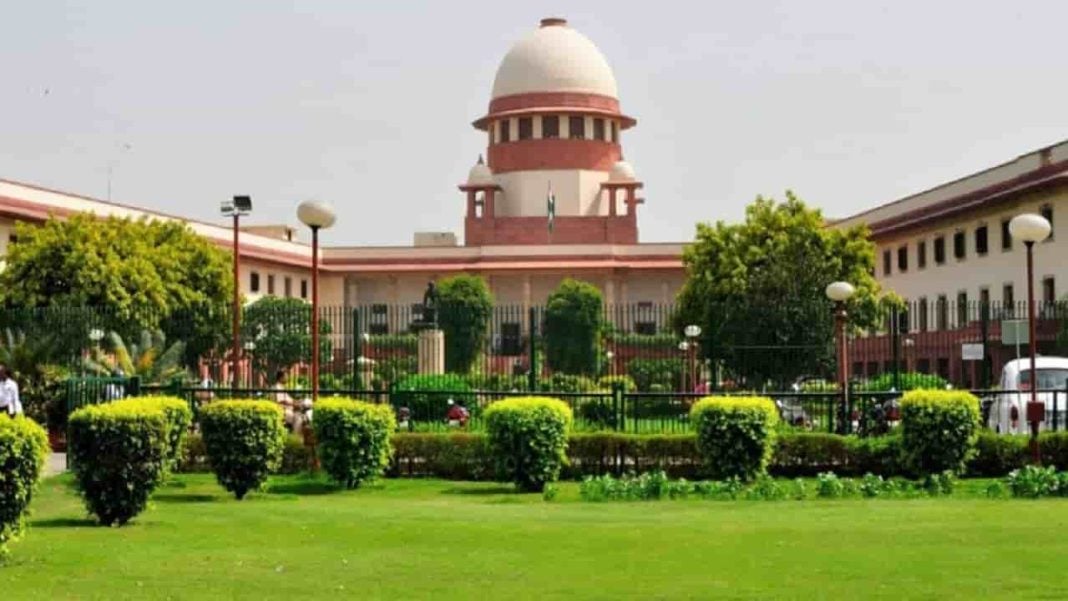
Case Name: Kamal Prasad Dubey v. State of Madhya Pradesh & Ors.
Citation: 2026 INSC 353
Date of Judgment/Order: 10 April 2026
Bench: Hon’ble Mr. Justice N. V. Anjaria; Hon’ble Mr. Justice Prashant Kumar Mishra
Held: The Supreme Court held that where relaxation in educational qualification is permissible under statutory rules and has been granted to similarly situated employees, denial of such relaxation to another employee without justification amounts to arbitrary discrimination violative of Articles 14 and 16 of the Constitution.
Summary: The case arose from denial of promotion to the appellant, an employee of a cooperative society with over 28 years of service, on the ground that he did not possess the requisite educational qualification under revised service rules. The Board of Directors and General Body of the Society had recommended relaxation of qualification based on his experience, seniority, and competence, but the Registrar rejected the proposal without assigning reasons. While the Single Judge allowed the writ petition on grounds of parity, the Division Bench reversed the decision holding that the Registrar had discretion in the matter. The Supreme Court examined the statutory scheme and noted that the rules expressly permitted relaxation in educational qualifications based on experience and seniority. It found that two other similarly placed employees with identical qualifications had been granted promotion with relaxation by the Registrar. The Court held that the appellant formed part of the same homogeneous class and was equally eligible for such relaxation. It further observed that the Registrar’s rejection was cryptic and arbitrary, and that the Division Bench erred in overlooking the discriminatory treatment and the rule permitting relaxation. The Court emphasised that equality in public employment requires consistent application of rules and prohibits selective denial of benefits.
Decision: The Supreme Court allowed the appeals, set aside the judgment of the Division Bench of the High Court, restored the relief granted by the Single Judge, and directed that the appellant be extended the benefit of relaxation and promotion, with all pending applications disposed of.