Supreme Court Holds Evaluation Framework for Grant of Permanent Commission to Women Army Officers Arbitrary Due to Structural Discrimination
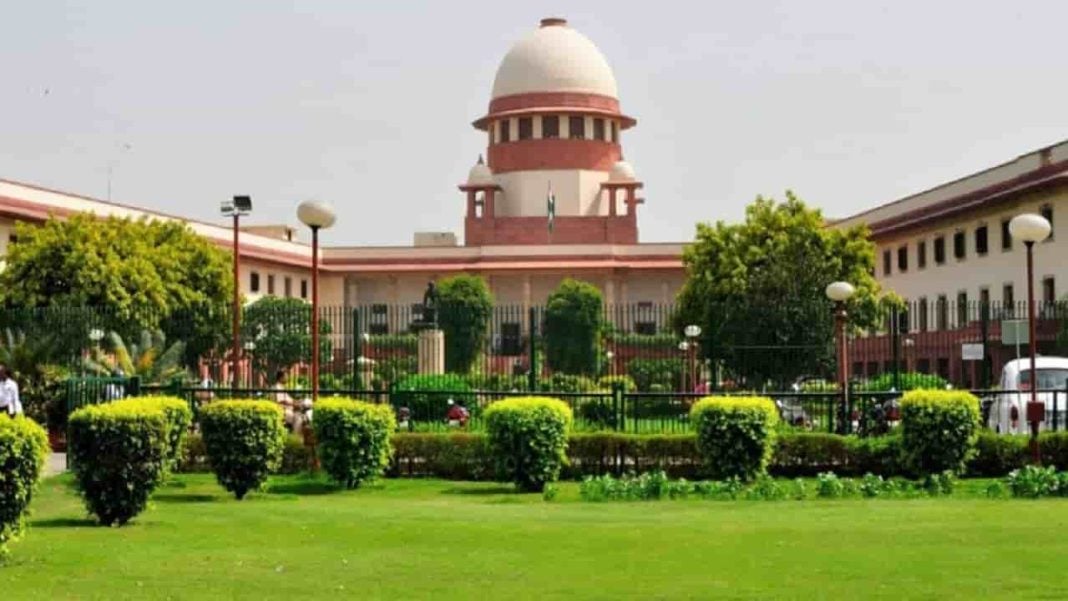
Case Name: Lt. Col. Pooja Pal and Others v. Union of India and Others
Citation: 2026 INSC 281
Date of Judgment/Order: 24 March 2026
Bench: Hon’ble Mr. Justice Surya Kant, Chief Justice of India; Hon’ble Mr. Justice Ujjal Bhuyan, Hon’ble Mr. Justice Nongmeikapam Kotiswar Singh
Held: The Supreme Court held that the evaluation process adopted for grant of Permanent Commission to Short Service Commission Women Officers in the Indian Army was structurally unfair and discriminatory, as it relied upon Annual Confidential Reports and service records shaped during a period when such officers were ineligible for career progression, thereby creating an unequal playing field vis-à-vis their male counterparts and vitiating the comparative merit assessment.
Summary: The case involved a batch of appeals by Short Service Commission Women Officers, along with some male counterparts, challenging the denial of Permanent Commission based on their performance in the No. 5 Selection Board. The appellants contended that their ACRs were graded during a period when women officers were ineligible for Permanent Commission, resulting in systematically lower gradings due to absence of career incentives, and that they were denied equal opportunities in terms of criteria appointments and career-enhancing courses. The respondents defended the process as merit-based and policy-driven, relying on anonymised evaluation and a fixed vacancy cap. The Court undertook a detailed analysis of the evaluation framework and found that ACR gradings were influenced by institutional bias arising from lack of career prospects for women officers, and that disparities in access to key appointments and opportunities further depressed their scores, particularly in the subjective “value judgment” component. It rejected the argument that procedural safeguards at the selection stage could cure these structural disadvantages, and held that such cumulative inequities materially affected the outcome of the selection process, rendering it arbitrary and violative of fairness.
Decision: The Supreme Court allowed the appeals, set aside the judgments of the Armed Forces Tribunal, and held that the denial of Permanent Commission based on the impugned evaluation process was unsustainable; it directed appropriate corrective measures to ensure fair consideration of the affected officers while leaving broader policy matters such as vacancy caps to the competent authority, and disposed of all connected matters accordingly.