Legislature Cannot Undo Final Judgments: Supreme Court Strikes Down Karnataka’s 2011 KPSC Selection Validation Act, Ends Appointments and Orders Fresh Recruitment
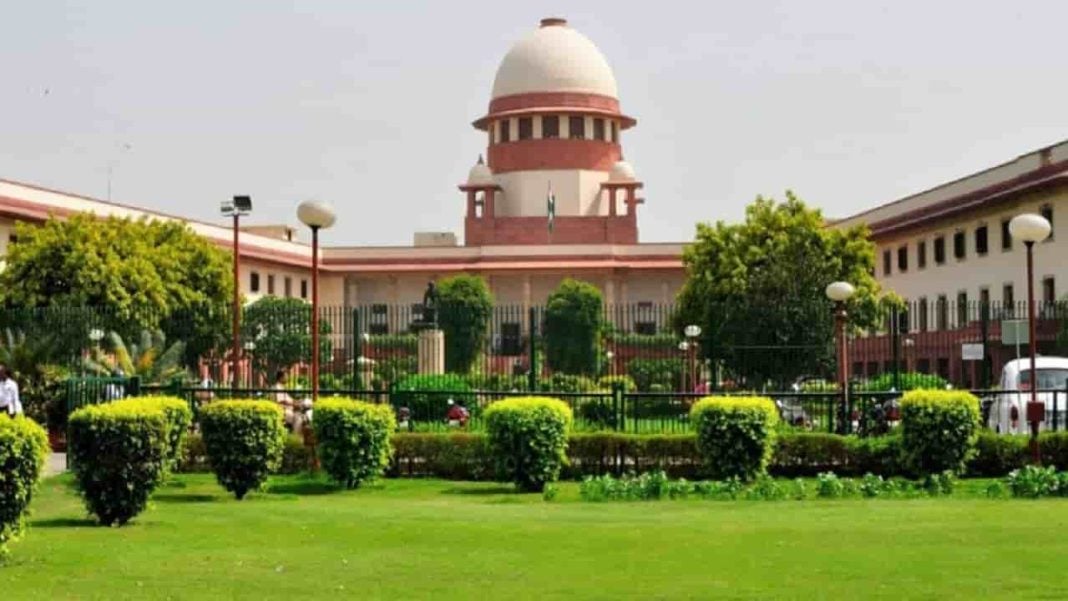
Case Name: Srinivasa T. & Ors. v. The State of Karnataka and Ors. Etc. Etc.
Date of Judgment: 29 October 2026.
Citation: 2026 INSC 1173.
Bench: Justices J.B. Pardiwala and K. Vinod Chandran.
Held: The Supreme Court declared the Karnataka Civil Services (Validation of Selection and Appointment of 2011 Batch Gazetted Probationers) Act, 2022 unconstitutional, holding that the legislature cannot directly annul final judicial decisions through validating legislation. While a legislature may retrospectively alter the legal basis of a judgment by removing the defect underlying it, it cannot merely override the adjudicated rights and liabilities of the parties.
The Court held that a recruitment already annulled for pervasive corruption and nepotism could not be revived to alleviate hardship to selected candidates. Appointments made under the unconstitutional enactment consequently came to an end. It rejected the plea to preserve appointments of candidates not individually found tainted, since the entire selection process had already been invalidated.
Summary: The case arose from Karnataka’s notification dated 3 November 2011 for recruitment to 362 Group ‘A’ and ‘B’ posts through the Karnataka Public Service Commission. Following complaints, a CID inquiry revealed gross manipulation, corruption and nepotism, leading the State Government to cancel the recruitment. Although the Karnataka Administrative Tribunal initially overturned the cancellation, the High Court restored it, and the Supreme Court declined to interfere. Subsequent attempts to resume selection from the post-written-examination stage also failed after irregularities in evaluation of answer scripts were considered.
The State thereafter enacted the 2022 legislation to validate the selection and appointments. Six unsuccessful candidates challenged it before the Tribunal. A separate public interest petition questioning the enactment was dismissed by the High Court, which subsequently also rejected a challenge arising from the Tribunal’s refusal to grant interim relief.
Before the Supreme Court, the appellants argued that the legislation impermissibly nullified binding judicial decisions without curing their underlying basis. Counsel for Karnataka candidly conceded that the enactment could not be supported. The selected candidates nevertheless sought protection of their appointments on equitable grounds, emphasising that candidates had not been prosecuted and that some had not been found tainted by the CID.
Rejecting those pleas, the Court stressed that the recruitment had been invalidated for corruption and nepotism affecting the entire selection, rather than a curable procedural defect. The absence of a criminal trial did not legitimise appointments resting on an unconstitutional statute. Nor could a subsequent change in the State’s position reopen the concluded question of segregating tainted and untainted candidates.
The Bench strongly criticised the High Court’s cursory treatment of the constitutional challenge. It also clarified that a public interest proceeding does not depend solely on its original petitioner’s willingness to prosecute it; a court may examine a substantial challenge notwithstanding that petitioner’s lack of participation.
Decision: The Supreme Court allowed the appeals, struck down the 2022 Act and set aside the impugned High Court judgments. It held that appointments made pursuant to the invalidated recruitment would end.
Declining to restart the old selection after approximately fifteen years, the Court directed Karnataka to notify fresh recruitment for presently vacant Group ‘A’ and ‘B’ posts under the existing recruitment rules. A one-time age relaxation must be granted to the appointed candidates not found tainted, the six appellants and the petitioners in the pending Tribunal proceedings, enabling them to compete alongside other eligible candidates.