Premature Release of Seized Cash Set Aside: Supreme Court Restores Trial Court’s Custody over ₹50 Lakh ‘Muddamal’
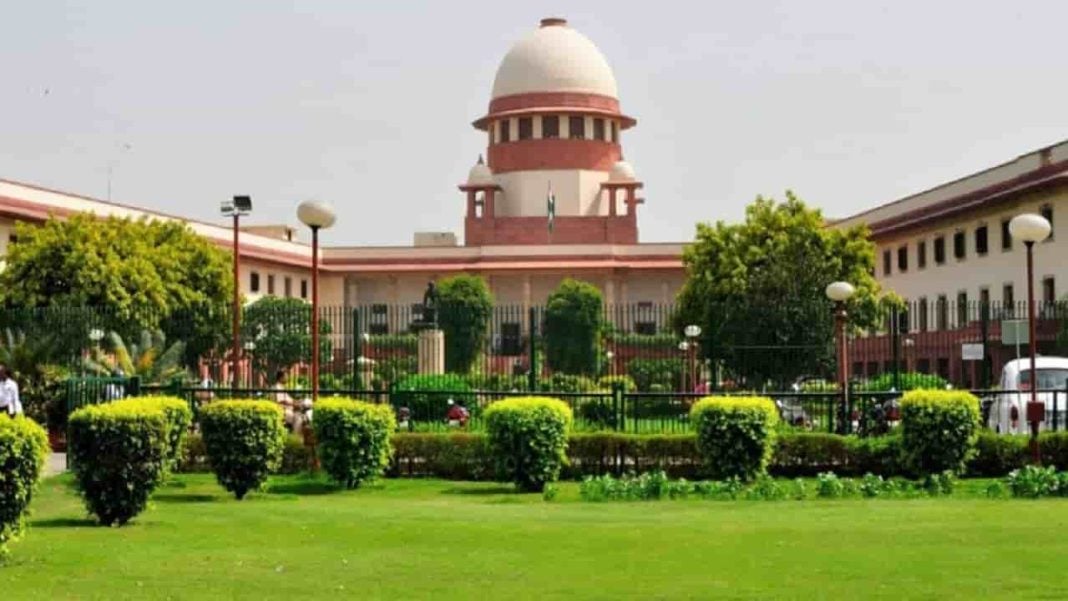
Case Name: Rajput Vijaysinh Natwarsinh vs. State of Gujarat & Ors.
Date of Order: 18.09.2025
Citation: Criminal Appeal @ SLP (Crl.) No. 3179 of 2025, 2025 INSC 1129
Bench: Justice Sanjay Karol, Justice Prashant Kumar Mishra (DB)
Held: The Supreme Court allowed the appeal of the accused, setting aside the Gujarat High Court’s order that had directed release of ₹50,00,000/- seized as case property (“muddamal”) during investigation of cheating and breach of trust allegations. The Court held that ownership of the seized money could not be determined conclusively at this preliminary stage and must await trial. Merely because the amount allegedly owed to one claimant matched the seized sum did not establish exclusive entitlement. The trial court’s refusal to release the money was therefore correct.
Summary: The FIR registered in 2022 alleged that the appellant, through his proprietary firm Jay Gopal Trading Company, cheated multiple traders, including respondent no. 2, to the tune of over ₹3.49 crore. Cheques issued towards castor seed purchases were dishonoured. During investigation, ₹50 lakh in cash was seized. Respondent no. 2 applied for release of this seized amount, claiming it was due to him for goods sold through his concern Bhadrakali Tobacco. The Magistrate and Sessions Court rejected the plea, noting that ownership could only be proved during trial since several victims had raised claims and the amount formed part of the “proceeds of crime.”
However, the Gujarat High Court reversed these findings on 4.12.2024, directing release of the money to respondent no. 2 upon furnishing a bond, relying on the precedent in Sunderbhai Ambalal Desai v. State of Gujarat (2002) 10 SCC 283. It reasoned that no prejudice would be caused to the prosecution if interim custody was granted.
The Supreme Court disagreed. While acknowledging the Sunderbhai Desai principle of not keeping valuables in police custody indefinitely, it emphasized that the present case involved disputed ownership of cash allegedly linked to fraudulent business transactions. The Court held that entitlement could not be decided at the interim stage, and premature release risked prejudicing other victims’ claims.
Decision: The appeal was allowed. The Supreme Court restored the orders of the Magistrate and Sessions Court, holding that the ₹50 lakh must remain in the custody of the trial court until proper determination after evidence. Since the money had already been withdrawn pursuant to the High Court’s order, the Supreme Court directed that it be re-deposited with the trial court, along with interest accrued, and cross-verified with the earlier panchnama. Pending applications were disposed of.