Vague Dowry and Cruelty Allegations Cannot Justify Trial of In-Laws Without Supporting Material: Supreme Court Quashes Proceedings Under Sections 498A, 406 and 506 IPC
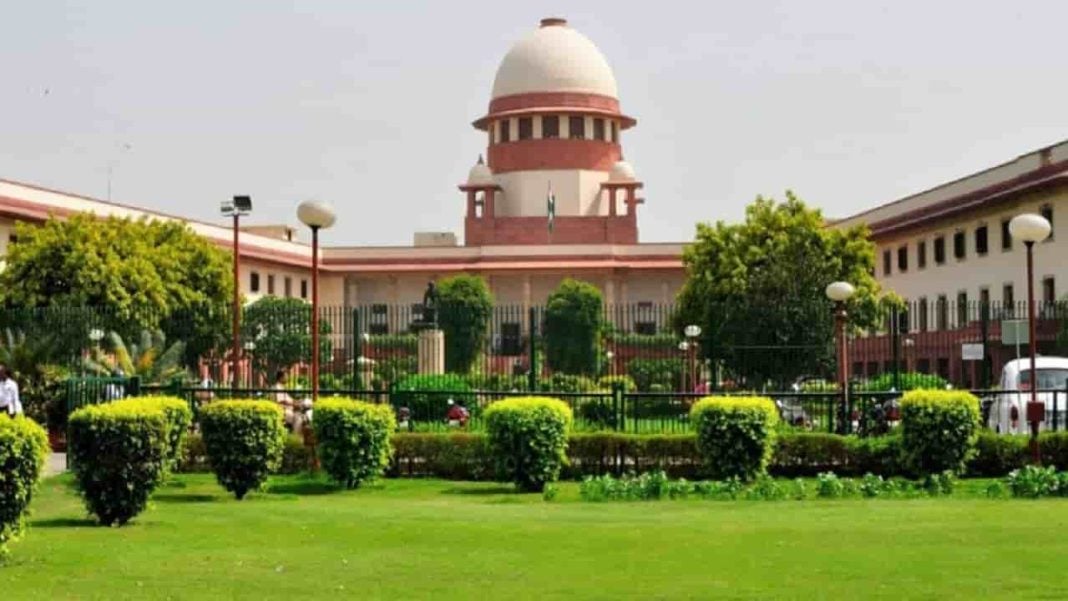
Case Name: Prasanta Kumar Dhar & Another v. The State of West Bengal & Another
Date of Judgment: 5 October 2026.
Citation: 2026 INSC 1087.
Bench: Justice Nongmeikapam Kotiswar Singh and Justice N.V. Anjaria.
Held: The Supreme Court held that general and omnibus allegations against a complainant’s parents-in-law, unsupported by specific acts or sufficient investigative material, could not justify subjecting them to a criminal trial. Examining the ingredients of each alleged offence, the Court found no sufficient foundation for proceedings under Sections 498A, 406 and 506 IPC or Sections 3 and 4 of the Dowry Prohibition Act, 1961. It reiterated that prosecutions arising from matrimonial disputes require scrutiny of the allegations and prima facie material against each accused; relatives cannot be implicated indiscriminately merely because of their relationship with the husband.
Summary: The Supreme Court allowed an appeal by the complainant’s father-in-law and mother-in-law against the Calcutta High Court’s refusal to quash the entirety of the criminal proceedings against them. The High Court, by its order dated 12 November 2024, had quashed the allegation under Section 323 IPC but permitted proceedings under Sections 498A, 406 and 506 IPC and Sections 3 and 4 of the Dowry Prohibition Act to continue.
The complainant married the appellants’ son on 1 February 2021. The couple initially lived in a different town, but after the husband’s transfer to Siliguri, the complainant began residing with her in-laws. A daughter was born on 17 July 2023. Following matrimonial discord and her departure from the matrimonial home, the complainant lodged a complaint on 21 November 2023, resulting in FIR at Siliguri Women Police Station.
The complaint alleged dowry demands, including ₹5 lakh at the time of marriage and a four-wheeler, verbal taunts, inadequate support during pregnancy and ill-treatment following the birth of a girl child. It further alleged that, on 11 November 2023, the father-in-law and husband compelled the complainant to sign a declaration acknowledging receipt of all her streedhan and valuable articles. A chargesheet was filed on 21 December 2023, and the case was pending at the stage of framing charges.
Applying State of Haryana v. Bhajan Lal, 1992 , alongside Arti Mehta v. State of Madhya Pradesh, 2026 , and Geddam Jhansi v. State of Telangana, 2025 , the Court examined whether the complaint and investigation disclosed the ingredients of the surviving offences against the appellants. It emphasised that filing a chargesheet does not itself prevent quashing where the material fails to disclose a prima facie case and continuation would amount to abuse of process.
For Section 498A IPC, the Court found no material indicating conduct by the appellants causing the requisite grave injury or danger to the complainant’s mental or physical health, or independent material establishing harassment linked to an unlawful demand. The dowry allegations lacked particulars concerning the occasions, manner and individual acts of the appellants, and the investigation produced no supporting material beyond the allegations.
The allegation of criminal breach of trust under Section 406 IPC also failed to identify the property entrusted to the appellants or establish its dishonest misappropriation or conversion. As regards Section 506 IPC, the Court found insufficient particulars of threats to the complainant, her family, their property or reputation. It noted that the allegation of a coerced declaration rested on the complaint and the parents’ statements under Section 161 Cr.P.C., without other material implicating the father-in-law.
On the record before it, the Court concluded that the allegations against the parents-in-law were general and unsubstantiated by investigative material. It separately noted that specific allegations had been made against the husband, who was not a party to either the High Court proceedings or the appeal. The Court therefore confined its examination and relief to the two appellants.
Decision: The Supreme Court allowed the appeal and set aside the High Court’s order to the extent that it declined to quash proceedings against the appellants under Sections 498A, 406 and 506 IPC and Sections 3 and 4 of the Dowry Prohibition Act. All proceedings arising from FIR were consequently quashed insofar as the parents-in-law were concerned.