Supreme Court: Suit to Cancel Registered Sale Deed for Alleged Non-Payment Must Be Filed Within 3 Years; Vexatious Plaint Can Be Rejected Under Order VII Rule 11
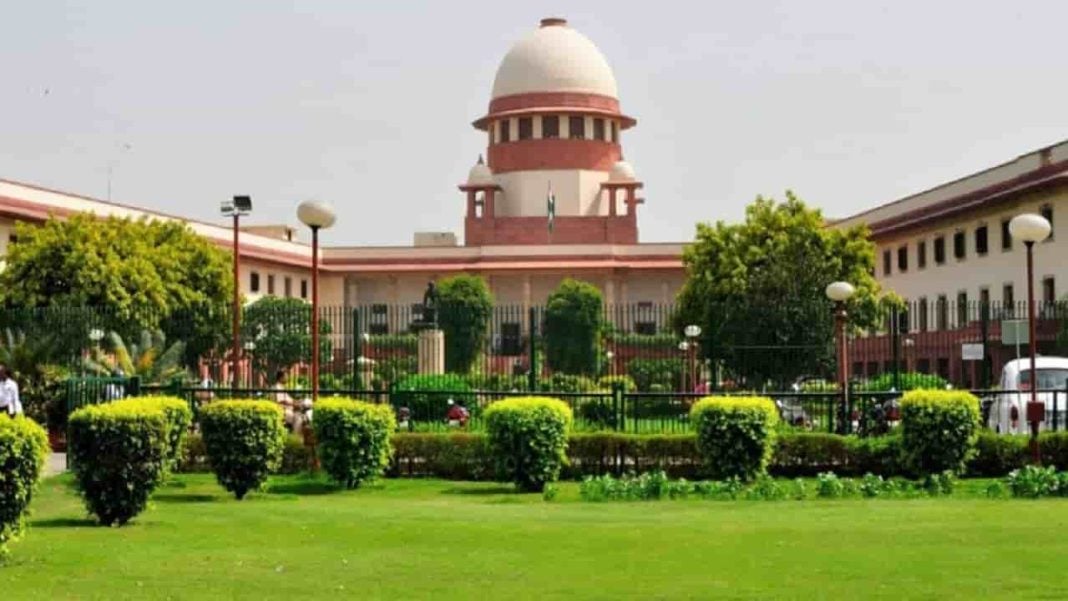
Case Name: Dahiben v Arvindbhai Kalyanji Bhanusali (Gajra) (D) Thr LRs & Ors.
Citation: 2020 INSC 450; Civil Appeal No. 9519 of 2019 (Arising out of SLP (C) No. 11618 of 2017)
Date of Judgment/Order: July 09, 2020
Bench: L. Nageswara Rao, J.; Indu Malhotra, J.
Held: The Supreme Court held that where plaintiffs admittedly executed a registered sale deed and later sought its cancellation mainly on the allegation that most of the sale consideration was not actually paid, such a suit—filed beyond three years from the deed—was barred by limitation under Articles 58 and 59 of the Limitation Act, and the plaint was liable to be rejected at the threshold under Order VII Rule 11(d); the Court further held that even assuming partial/non-payment, a registered sale is not invalidated on that ground, and at best the plaintiffs may pursue appropriate remedies for recovery, but cannot maintain a vexatious cancellation suit that discloses no real right to sue, thereby attracting rejection under Order VII Rule 11(a) as well.
Summary: The dispute concerned agricultural land of restricted tenure requiring Collector’s permission for sale, which the plaintiffs obtained, followed by execution of a registered sale deed in 2009 in favour of the first purchaser with recital of full consideration paid through multiple cheques, and subsequent sale by that purchaser to third parties in 2013; in 2014 the plaintiffs instituted a suit to cancel both sale deeds claiming they were illiterate and that only a nominal amount was paid while the remaining cheques were “bogus,” but the defendants applied for rejection of plaint asserting the suit was time-barred and disclosed no cause of action. The trial court, and later the High Court, found that the plaint and the sale deed documents showed the plaintiffs’ admitted execution and acknowledgment of payment, their participation in mutation/revenue entries, prolonged silence for more than five years without any recovery proceedings or complaint about dishonour, and an attempt to create an illusory “fraud discovery” date in 2014 to evade limitation; the Supreme Court examined the governing principles for Order VII Rule 11, reiterated the “meaningful reading” test, emphasized that courts must nip sham litigation in the bud, held that limitation begins when the right to sue first accrues and cannot be revived by successive drafting devices, and noted that non-payment of full price after a registered sale does not undo transfer of title though it may give rise to other remedies.
Decision: The civil appeal was dismissed; the Supreme Court upheld rejection of the plaint under Order VII Rule 11 CPC as the suit was vexatious, meritless, and clearly barred by limitation, and imposed costs of ₹1,00,000 payable by the appellant to respondent nos. 2 and 3 within twelve weeks, with pending applications disposed of accordingly.