Victim’s Appeal Against Acquittal in Private Complaint Lies Before Sessions Court, Not High Court: Punjab & Haryana High Court Applies Supreme Court’s Interpretation of Sections 372 and 378(4) CrPC
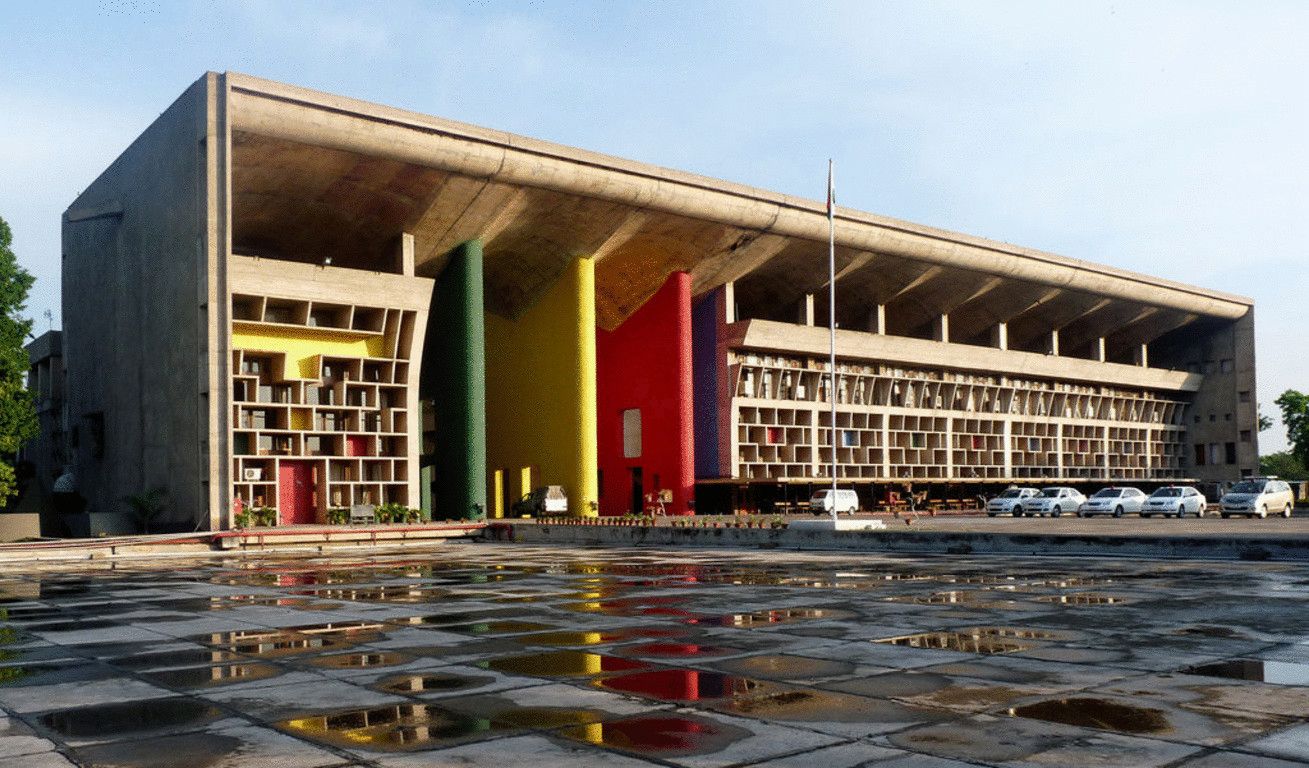
Case Name: Daya Ram v. Raj Kumar
Date of Judgment: 21 July 2026
Citation: CRM-A-1142-MA-2016
Bench: Hon’ble Ms. Justice Shalini Singh Nagpal
Held: The Punjab and Haryana High Court held that a victim in a private complaint case challenging an order of acquittal is not required to seek special leave to appeal before the High Court under Section 378(4) CrPC. Instead, by virtue of the proviso to Section 372 CrPC (now Section 413 of the Bharatiya Nagarik Suraksha Sanhita, 2023), such an appeal lies before the Court of Sessions. Following the Supreme Court’s decision in M/s Celestium Financial v. A. Gnanasekaran and subsequent judgments, the Court relegated the proceedings to the Sessions Court with a direction to treat the application for leave to appeal as a statutory appeal under Section 372 CrPC and decide it on merits.
Summary: The applicant, who was the victim and complainant in a private complaint alleging offences under Sections 420, 467, 468, 471, 323, 506 and 120-B IPC, sought leave before the High Court under Section 378(4) CrPC to challenge an order of acquittal passed by the Judicial Magistrate First Class, Hisar. During the proceedings, the Court examined the legal framework governing appeals against acquittal by victims in private complaint cases in light of recent pronouncements of the Supreme Court.
The High Court referred to the Supreme Court’s judgment in M/s Celestium Financial v. A. Gnanasekaran, wherein it was authoritatively held that the proviso to Section 372 CrPC creates an independent and superior statutory right of appeal in favour of a victim against an order of acquittal. The Supreme Court clarified that requiring a victim to obtain special leave under Section 378(4) CrPC would defeat the legislative object behind the insertion of the proviso to Section 372. The High Court also relied upon Directorate of Revenue Intelligence v. Raj Kumar Arora, where the Supreme Court reiterated that judicial interpretation of a statutory provision declares the law as it has existed since the enactment of the provision and therefore applies retrospectively to all pending matters.
Following the aforesaid Supreme Court decisions and earlier coordinate Bench rulings of the Punjab and Haryana High Court, the Court held that the present proceedings could not continue before the High Court as an application for leave under Section 378(4) CrPC. Instead, the matter was directed to be transferred to the Sessions Judge, Hisar, with a direction to treat the application as an appeal under Section 372 CrPC and assign it for adjudication on merits in accordance with law. The applicant was directed to appear before the Sessions Judge within fifteen days, and the Registry was directed to transmit the complete paper book and record to the Sessions Court forthwith.
Decision: The Punjab and Haryana High Court disposed of the application for leave to appeal by relegating the matter to the Court of Sessions, Hisar, directing that it be treated as a victim’s appeal under Section 372 CrPC and decided on merits by the competent Sessions Court in accordance with law.