Waqf Tribunal Jurisdiction Is Limited to Matters Specifically Conferred Under the Waqf Act, 1995: Supreme Court Reaffirms Ramesh Gobindram and Clarifies Scope of Section 83
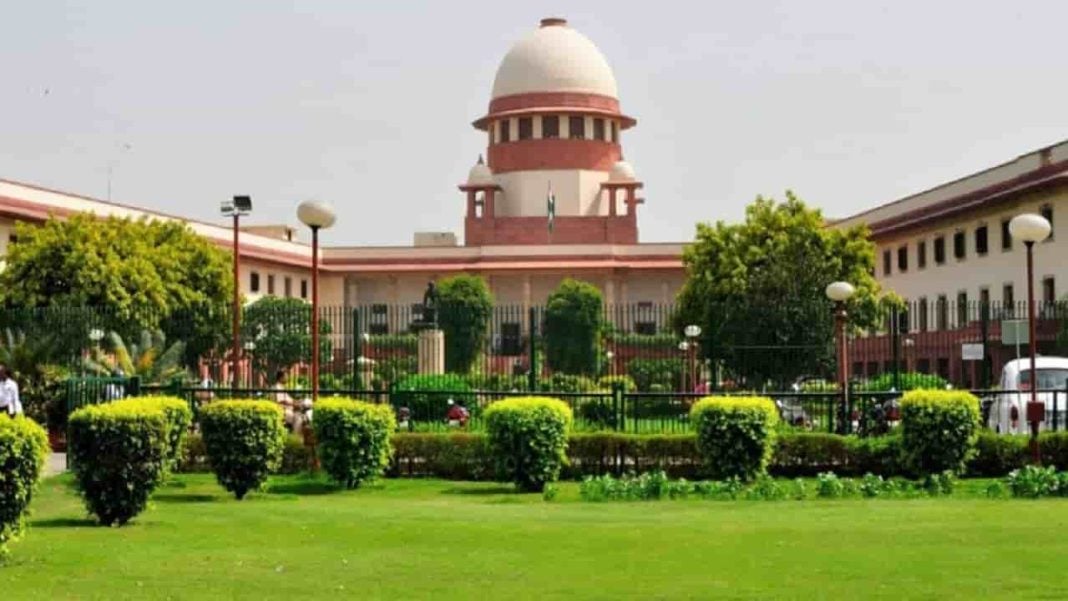
Case Name: Habib Alladin & Ors. v. Mohammed Ahmed
Citation: 2026 INSC 90
Date of Judgment/Order: 28 January 2026
Bench: Justice K. Vinod Chandran, and Justice Sanjay Kumar
Held: The Supreme Court held that the Waqf Tribunal jurisdiction under Section 83 Waqf Act is not plenary or all-encompassing but is confined strictly to matters specifically required by or under the Act to be determined by the Tribunal. The Court reaffirmed the ratio in Ramesh Gobindram v. Sugra Humayun Mirza Wakf and clarified that Section 83 does not independently expand jurisdiction beyond Sections 6, 7 and other specific statutory provisions. Civil court jurisdiction is barred only in respect of matters expressly entrusted to the Tribunal, and not in every dispute loosely “relating to” a waqf or waqf property.
Summary: The dispute arose from a suit for perpetual injunction filed before the Waqf Tribunal, wherein the respondent claimed that a portion of a residential apartment complex functioned as a mosque by user and sought protection of access and prayer rights. The appellants filed an application under Order VII Rule 11 CPC seeking rejection of the plaint on the ground that the property was neither notified in the list of auqaf nor registered as a waqf under the Waqf Act, 1995, and therefore the Tribunal lacked jurisdiction. The High Court dismissed the revision petition, holding that the plaint disclosed a waqf by user under Section 3(r)(i) of the Act. Before the Supreme Court, extensive arguments were addressed regarding conflicting decisions including Ramesh Gobindram, Anis Fatma Begum, P.V. Ibrahim Haji, Sham Singh Harike and Rashid Wali Beg. The Court undertook a detailed examination of Sections 6, 7, 83 and 85 of the Waqf Act, the 2013 amendment expanding the definition of “list of Auqaf”, and the principles governing statutory ouster of civil court jurisdiction. It concluded that Section 83 is primarily an enabling provision for constitution of the Tribunal and does not create a sweeping jurisdiction over all disputes touching upon waqf property. Only disputes expressly contemplated under the Act—particularly those concerning properties included in the statutory list or register—fall within Tribunal jurisdiction.
Decision: The Supreme Court allowed the appeal, set aside the orders of the High Court and the courts below insofar as they upheld Tribunal jurisdiction, and clarified the limited scope of the Waqf Tribunal’s authority under the Act. The Court reaffirmed that civil court jurisdiction is excluded only to the extent specifically provided under the statute, thereby restoring the correct legal position on the interpretation of Section 83 of the Waqf Act, 1995.